
Understanding Spinal Stenosis: Symptoms, Causes, and Treatment Options in Vernon Hills IL
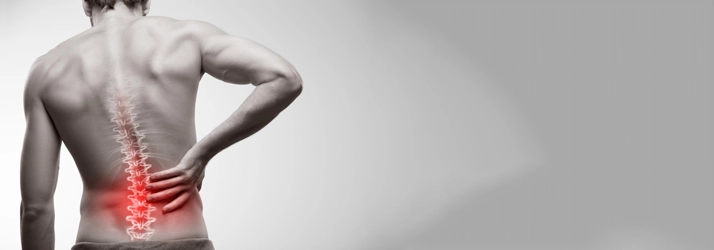
Battling with spinal stenosis in Vernon Hills IL? Spinal stenosis is a condition where the spinal canal becomes narrowed, placing pressure on the spinal cord or the nerve roots that branch out from it. This narrowing can occur in different regions of the spine:
- Cervical spine (neck)
- Thoracic spine (mid-back)
- Lumbar spine (lower back)
The condition is most often caused by degenerative changes related to aging, such as:
- Osteoarthritis
- Herniated or bulging discs
- Thickened spinal ligaments
- Bone spurs (osteophytes)
In some cases, spinal stenosis may be present from birth (congenital) or develop after spinal trauma, tumors, or post-surgical complications.
What Are the Symptoms of Spinal Stenosis?
Symptoms of spinal stenosis can vary depending on the area of the spine that’s affected and the extent of nerve compression.
Cervical Spinal Stenosis (Neck Region)
- Neck pain or stiffness
- Numbness or tingling in the shoulders, arms, or hands
- Weakness in the upper extremities
- Difficulty with balance or walking
- Coordination issues
Lumbar Spinal Stenosis (Lower Back)
- Lower back pain
- Pain or cramping in the hips, legs, or buttocks
- Symptoms that worsen with walking or standing (neurogenic claudication)
- Relief when sitting or leaning forward
- Leg numbness, tingling, or weakness
These symptoms often develop gradually and may worsen over time. In severe cases, spinal stenosis can affect bladder or bowel control and may require immediate medical attention.
How Is Spinal Stenosis Diagnosed in Vernon Hills IL?
A comprehensive diagnosis usually involves:
- Medical history and physical examination
- Neurological testing to assess strength, reflexes, and sensory function
- Imaging studies, such as:
- X-rays (to detect bone changes)
- MRI (to visualize soft tissue and nerve compression)
- CT scans (for detailed cross-sectional views)
Accurate diagnosis helps determine the best course of treatment based on the severity and location of the stenosis.
Treatment Options for Spinal Stenosis
1. Conservative (Non-Surgical) Care
Most cases of spinal stenosis can be managed effectively without surgery, especially in the early stages.
- Physical Therapy: A personalized physical therapy program focuses on:
- Strengthening the core and spinal muscles
- Improving posture and body mechanics
- Increasing flexibility and range of motion
- Reducing nerve pressure through manual therapy and exercise
- Improving balance and mobility
- Medications
- Nonsteroidal anti-inflammatory drugs (NSAIDs) to reduce inflammation
- Muscle relaxants or nerve pain medications (as needed)
- Epidural Steroid Injections
- In some cases, injections are used to temporarily relieve inflammation and nerve irritation in the affected area.
- Lifestyle Modifications
- Weight management
- Low-impact aerobic activity (like walking or swimming)
- Avoiding prolonged sitting or standing
- Use of assistive devices (if needed)
2. Surgical Options
Surgery may be considered when conservative treatment fails or if there is significant nerve compression.
- Laminectomy: Removing part of the vertebra to relieve pressure
- Spinal fusion: Stabilizing the spine by joining two or more vertebrae
- Minimally invasive decompression procedures (depending on the case)
Benefits of Treatment for Spinal Stenosis
Proper treatment—especially early and consistent care—can offer meaningful relief from symptoms and help patients regain independence. Benefits of physical therapy, chiropractic and non-surgical care include:
- Reduced back or neck pain
- Improved strength and mobility
- Enhanced posture and spinal alignment
- Greater balance and reduced fall risk
- Ability to return to work, hobbies, and daily routines
- Avoidance or delay of surgical intervention
Patients who stay engaged in a comprehensive treatment plan often report improved quality of life, increased confidence in movement, and better long-term spine health.
When to See a Specialist
If you’re experiencing persistent back or neck pain, numbness, or leg weakness—especially if symptoms worsen when walking or standing—it may be time to consult a spine specialist. At Integral Medical and Rehabilitation, we offer comprehensive evaluations and customized treatment plans for spinal stenosis and other spine-related conditions.

OFFICE HOURS
Monday
9:00am - 7:00pm
Tuesday
9:00am - 7:00pm
Wednesday
9:00am - 7:00pm
Thursday
9:00am - 7:00pm
Friday
9:00am - 5:00pm
Saturday
9:00am - 12:00pm

Integral Medical and Rehabilitation
3 West Hawthorn Parkway #280
Vernon Hills, IL 60061
(224) 424-3147