

Understanding Spinal Cord Injuries: Types, Symptoms, Diagnosis, and Treatment Options in Vernon Hills IL
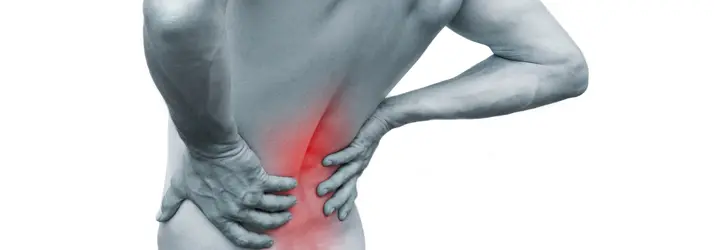
What is a spinal cord injury in Vernon Hills IL? A spinal cord injury (SCI) is a serious condition resulting from trauma or disease that damages the spinal cord, disrupting communication between the brain and the body. This disruption can lead to:
- Partial or complete loss of movement (paralysis)
- Loss of sensation
- Bladder/bowel dysfunction
- Breathing difficulties
- Autonomic dysregulation
Common causes include motor vehicle accidents, falls, sports injuries, violence, and medical conditions such as tumors or infections.
Types of Spinal Cord Injuries
SCIs are classified as either complete or incomplete:
- Complete SCI: Total loss of motor and sensory function below the level of the injury. No function is preserved, even in the lowest sacral segments (e.g., no anal sensation or voluntary contraction).
- Incomplete SCI: Some motor or sensory function is retained below the level of injury. These are more variable and allow for a broader range of recovery potential.
Incomplete SCI Syndromes
Anterior Cord Syndrome
- Loss of motor function, pain, and temperature sensation
- Preservation of light touch and proprioception
Central Cord Syndrome
- Greater weakness in the arms than in the legs
- Common after hyperextension injuries
Brown-Séquard Syndrome
- Motor loss on the same side as injury
- Sensory loss (pain/temperature) on the opposite side
Posterior Cord Syndrome (rare)
- Loss of proprioception and vibration sense
- Motor function often preserved
What Do Patients Experience?
Depending on the level and severity of injury, patients may present with:
- Loss of movement or sensation
- Pain or altered sensitivity
- Muscle weakness or paralysis
- Loss of bowel/bladder control
- Changes in breathing or heart rate
- Risk of pressure ulcers, spasticity, and infections
Treatment and Management
Acute Phase (Emergency Care)
- Spinal stabilization
- Corticosteroids (to reduce inflammation in select cases)
- Surgery (for decompression or stabilization)
- Prevention of further neurological damage
Rehabilitation Phase
Physical Therapy (PT) is critical and evolves through phases:
- Early Goals:
- Prevent pressure injuries and contractures
- Maintain joint mobility and muscle length
- Improve pulmonary health (especially with high cervical injuries)
- Intermediate to Long-Term Goals:
- Strengthen preserved muscles
- Train in mobility, transfers, and bed mobility
- Gait training (if applicable)
- Use of wheelchairs, walkers, braces, or robotic aids
- Neuromuscular electrical stimulation, aquatic therapy, and balance retraining
Multidisciplinary care may include:
- Occupational therapy
- Speech therapy (for high cervical injuries)
- Psychological support
- Vocational or community reintegration
Benefits of Physical Therapy for SCI
- Improved muscle strength and flexibility
- Better mobility, even with assistive devices
- Enhanced respiratory and cardiovascular function
- Prevention of complications (e.g., contractures, pressure sores)
- Support for mental health and quality of life
- Education in self-care, transfers, and adaptive strategies
- Greater independence and functional return
Long-Term Outlook
Spinal cord injuries often require lifelong management. However, with comprehensive rehabilitation, assistive technology, and support, many individuals regain independence and live meaningful, fulfilling lives.
In Summary
Spinal cord injuries are complex, but with early intervention, physical therapy, and interdisciplinary care, patients can achieve significant improvements in function, independence, and well-being. Even when full recovery isn’t possible, maximizing quality of life remains the central goal of treatment.

OFFICE HOURS
Monday
9:00am - 7:00pm
Tuesday
9:00am - 7:00pm
Wednesday
9:00am - 7:00pm
Thursday
9:00am - 7:00pm
Friday
9:00am - 5:00pm
Saturday
9:00am - 12:00pm

Integral Medical and Rehabilitation
3 West Hawthorn Parkway #280
Vernon Hills, IL 60061
(224) 424-3147