
Understanding Raynaud’s Phenomenon: Types, Symptoms, Diagnosis, and Treatment Options in Vernon Hills IL
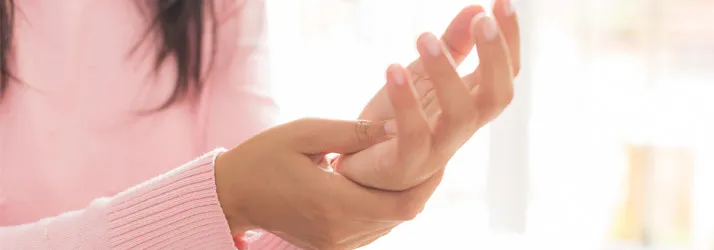
What is Raynaud’s Phenomenon in Vernon Hills IL? Raynaud’s Phenomenon is a vascular disorder that affects blood flow to the extremities, most commonly the fingers and toes, in response to cold temperatures or emotional stress. The condition is caused by vasospasms—sudden narrowing of the small blood vessels—which limit oxygen-rich blood flow to the affected areas.
Types of Raynaud’s:
- Primary Raynaud’s (Raynaud’s Disease):
- Occurs on its own, without an underlying health condition.
- Typically less severe and more common in younger individuals (especially women under 30).
- Secondary Raynaud’s (Raynaud’s Syndrome):
- Occurs as a symptom of another condition, often linked to autoimmune or connective tissue diseases like scleroderma, lupus, or rheumatoid arthritis.
- Typically more severe, with a higher risk of complications such as tissue damage.
What Do Patients Present With or Feel?
Patients with Raynaud’s typically experience the following symptoms during an episode:
Color Changes in the Skin (Triphasic Response):
- White (Pallor) – due to restricted blood flow.
- Blue (Cyanosis) – from lack of oxygen in the affected tissue.
- Red (Rubor) – as blood flow returns, often accompanied by throbbing or tingling.
Additional Symptoms:
- Coldness and numbness in fingers or toes
- Tingling, burning, or pain during or after an episode
- Episodes triggered by cold exposure or emotional stress
- Symptoms that last from a few minutes to several hours
- In severe cases: skin ulcerations, delayed wound healing, or tissue necrosis
How is Raynaud’s Diagnosed in Vernon Hills IL?
Diagnosis is based on:
- Detailed patient history (including triggers and pattern of symptoms)
- Physical examination
- Nailfold capillaroscopy (examining blood vessels under the fingernail)
- Blood tests to rule out autoimmune diseases (especially in suspected secondary Raynaud’s)
What Forms of Treatment Are Used to Manage This Condition?
Medical Management:
- Lifestyle Modifications:
- Avoid cold exposure (wear warm gloves/socks)
- Manage emotional stress
- Quit smoking (nicotine constricts blood vessels)
- Medications:
- Calcium channel blockers (e.g., nifedipine) to dilate blood vessels
- Vasodilators, topical nitroglycerin, or PDE5 inhibitors in severe cases
- Treatment of underlying conditions in secondary Raynaud’s is essential
- Advanced Interventions:
- Sympathectomy (nerve surgery)
- Intravenous prostaglandins or other infusion therapies
How Can Physical Therapy Help?
Physical therapy offers a supportive and functional approach to managing Raynaud’s, particularly when symptoms affect daily living or when part of a broader rheumatic disease.
Physical therapy may include:
- Circulation-enhancing exercises (e.g., low-impact aerobic activity)
- Range-of-motion and stretching to maintain joint health
- Thermal therapies:
- Paraffin wax dips
- Warm water soaks or pool therapy
- Biofeedback and relaxation techniques:
- Teaches patients how to consciously improve peripheral circulation
- Helps reduce frequency and intensity of vasospastic attacks
- Posture and ergonomic training to reduce strain on the hands/feet
- Education on pacing activities and protecting extremities from trauma or cold
What Are the Benefits of These Treatments?
With a comprehensive care approach, patients can expect:
- Reduced frequency and severity of Raynaud’s episodes
- Improved circulation and warmth in the hands and feet
- Better joint mobility, especially in patients with underlying autoimmune conditions
- Decreased pain, tingling, and stiffness
- Lower risk of complications, including ulcers or infections
- Improved daily function and confidence in managing symptoms
- Enhanced quality of life through proactive self-care and symptom management
Key Takeaway
Raynaud’s Phenomenon can range from mild discomfort to severe complications. With the right combination of medical treatment, lifestyle changes, and physical therapy, many patients can successfully manage their symptoms, prevent complications, and lead an active, comfortable life.

OFFICE HOURS
Monday
9:00am - 7:00pm
Tuesday
9:00am - 7:00pm
Wednesday
9:00am - 7:00pm
Thursday
9:00am - 7:00pm
Friday
9:00am - 5:00pm
Saturday
9:00am - 12:00pm
Integral Medical and Rehabilitation
3 West Hawthorn Parkway #280
Vernon Hills, IL 60061
(224) 424-3147