

Understanding Radiculopathy: Causes, Symptoms, Diagnosis, and Treatment Options in Vernon Hills IL
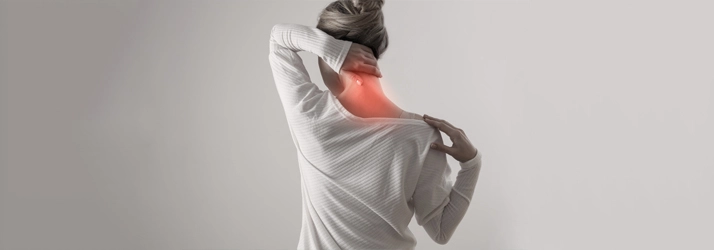
Wrestling with radiculopathy in Vernon Hills IL? Radiculopathy refers to a condition where a spinal nerve root becomes irritated or compressed as it exits the spinal column. This nerve dysfunction can occur in the cervical (neck), thoracic (mid-back), or lumbar (lower back) regions, depending on where the compression occurs.
Radiculopathy is commonly caused by:
- Herniated or bulging discs
- Spinal stenosis (narrowing of the spinal canal)
- Degenerative disc disease
- Bone spurs (osteophytes)
- Spinal injuries or trauma
Often referred to as a “pinched nerve,” radiculopathy produces specific patterns of pain and neurological symptoms that follow the path of the affected nerve. When the lower back is involved, it may mimic or overlap with sciatica.
Symptoms of Radiculopathy
The symptoms of radiculopathy vary depending on the region of the spine involved but typically include:
Cervical Radiculopathy (Neck)
- Pain radiating from the neck into the shoulder, arm, or hand
- Tingling or numbness in the fingers
- Weakness in the arm or grip strength
- Neck stiffness or restricted range of motion
Lumbar Radiculopathy (Lower Back)
- Pain radiating from the lower back into the buttock, thigh, or leg
- Burning, sharp, or electric-like pain in the leg or foot
- Muscle weakness in the leg or foot
- Difficulty standing or walking for extended periods
Thoracic Radiculopathy (Mid-back)
- Less common, but may involve pain wrapping around the chest or ribs
- Sensory disturbances such as numbness or tingling along the rib cage
These symptoms may worsen with activities that increase pressure on the spine, such as sitting, twisting, lifting, or coughing. In more severe cases, reflex changes or coordination issues may also occur.
Diagnosing Radiculopathy in Vernon Hills IL
A thorough diagnosis begins with:
- Medical history and symptom review
- Physical examination, including strength, sensation, and reflex testing
- Spinal movement assessments to detect nerve tension or dysfunction
Imaging studies such as MRI, CT scans, or X-rays may be ordered to identify structural changes or nerve compression. In certain cases, Nerve Conduction Velocity (NCV) studies or electromyography (EMG) tests may be used to assess the function of affected nerves and muscles.
Treatment Options for Radiculopathy
1. Physical Therapy
Physical therapy is a primary, non-invasive treatment for radiculopathy. A personalized rehabilitation program may include:
- Targeted stretching and strengthening exercises to reduce pressure on the nerve
- Manual therapy to improve joint mobility and reduce inflammation
- Postural retraining to correct biomechanical imbalances
- Nerve gliding techniques to promote healing and reduce nerve tension
- Education on ergonomics and body mechanics for daily activities
2. Medication and Injections
- NSAIDs (non-steroidal anti-inflammatory drugs) for pain and inflammation
- Muscle relaxants for associated muscle spasms
- Corticosteroid injections to reduce swelling around the nerve root
3. Activity Modification
- Limiting activities that worsen symptoms (e.g., prolonged sitting or lifting)
- Incorporating movement and posture breaks during daily routines
4. Surgical Intervention (When Needed)
Surgery may be recommended if:
- Conservative treatments fail to provide relief
- There is significant nerve compression leading to progressive weakness or loss of function
- Pain severely impacts quality of life or daily activities
Procedures such as microdiscectomy or laminotomy may be performed to relieve pressure on the affected nerve.
Benefits of Conservative Treatment for Radiculopathy
When treated early, radiculopathy often responds well to conservative care. Key benefits include:
- Pain reduction and relief from nerve-related symptoms
- Restoration of strength, mobility, and coordination
- Improved posture and spinal alignment
- Reduced need for long-term medications or surgery
- Greater confidence in movement and physical activity
- Lower risk of recurrence through prevention-focused therapy
By addressing the root cause of nerve irritation—not just masking the symptoms—physical therapy and conservative care empower patients to manage their condition effectively and return to their normal routines with fewer limitations.
When to Seek Medical Care
If you are experiencing persistent neck, back, or limb pain, along with numbness, tingling, or weakness, it’s important to seek a professional evaluation. Early treatment improves outcomes and reduces the chance of long-term nerve damage.
At Integral Medical and Rehabilitation, our team is experienced in diagnosing and treating all forms of radiculopathy. We offer comprehensive, patient-focused care plans tailored to your unique needs—with the goal of reducing pain, restoring function, and improving your quality of life.

OFFICE HOURS
Monday
9:00am - 7:00pm
Tuesday
9:00am - 7:00pm
Wednesday
9:00am - 7:00pm
Thursday
9:00am - 7:00pm
Friday
9:00am - 5:00pm
Saturday
9:00am - 12:00pm

Integral Medical and Rehabilitation
3 West Hawthorn Parkway #280
Vernon Hills, IL 60061
(224) 424-3147