

Understanding Osteopenia: Types, Symptoms, Diagnosis, and Treatment Options in Vernon Hills IL
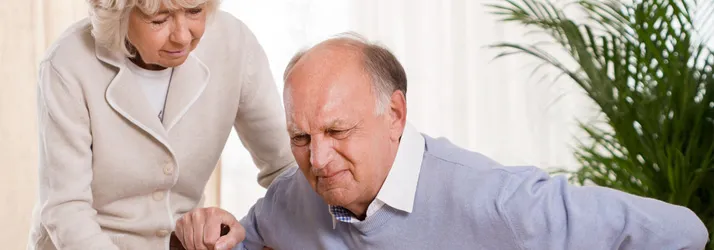
What is osteopenia in Vernon Hills IL? Osteopenia is a condition where bone mineral density (BMD) is lower than normal, but not low enough to be classified as osteoporosis. It is considered a midpoint between healthy bone and osteoporosis and serves as a warning sign of increased risk for future bone fractures and the potential development of osteoporosis.
While osteopenia itself does not typically cause symptoms or immediate harm, it indicates that the bones have begun to lose strength and become more fragile. Without lifestyle changes or proper management, it can progress to osteoporosis.
What Do Patients Experience?
In most cases, osteopenia causes no symptoms. It’s often discovered incidentally during a bone density scan (DEXA scan), which may be ordered as part of:
- A routine screening for postmenopausal women or older adults
- Evaluation following a minor fracture or fall
- Monitoring bone health in individuals at higher risk (e.g., smokers, people with low body weight, or those on long-term steroid therapy)
Because bone loss happens gradually, there is usually no pain or noticeable signs—until a fracture occurs.
How Is Osteopenia Diagnosed in Vernon Hills IL?
The primary tool used to diagnose osteopenia is the DEXA (dual-energy X-ray absorptiometry) scan, which measures bone density at the spine, hip, or forearm.
- A T-score between -1.0 and -2.5 indicates osteopenia
- A T-score below -2.5 is considered osteoporosis
The scan helps determine your risk of fractures and guides decisions on prevention and treatment strategies.
What Treatment Options Are Available?
Treatment for osteopenia aims to prevent further bone loss and reduce the risk of progression to osteoporosis or fracture. Depending on your risk level, your healthcare provider may recommend one or more of the following strategies:
Lifestyle Modifications
- Weight-bearing and resistance exercises (e.g., walking, yoga, strength training)
- Quit smoking and limit alcohol—both are linked to faster bone loss
- Fall prevention strategies at home (e.g., removing trip hazards, improving lighting)
Nutritional Support
- Calcium-rich diet (dairy, leafy greens, fortified foods)
- Vitamin D through sunlight exposure, foods, or supplements
- Magnesium and protein to support bone structure and repair
Medications (if high risk)
In some cases, especially when other risk factors are present (like prior fractures or very low BMD), your provider may prescribe osteoporosis medications such as:
- Bisphosphonates
- Selective estrogen receptor modulators (SERMs)
- Hormone replacement therapy (in postmenopausal women)
What Are the Benefits of Treatment?
The goal of treating osteopenia is to preserve bone density, prevent fractures, and avoid the progression to osteoporosis.
Key benefits include:
- Reduced fracture risk, particularly in the spine, hips, and wrists
- Stronger, healthier bones that support an active lifestyle
- Improved balance and muscle strength with regular exercise
- Better long-term outcomes, including mobility and independence in aging adults
Early awareness and intervention are essential—osteopenia is manageable, especially when addressed before serious bone loss or injury occurs.

OFFICE HOURS
Monday
9:00am - 7:00pm
Tuesday
9:00am - 7:00pm
Wednesday
9:00am - 7:00pm
Thursday
9:00am - 7:00pm
Friday
9:00am - 5:00pm
Saturday
9:00am - 12:00pm

Integral Medical and Rehabilitation
3 West Hawthorn Parkway #280
Vernon Hills, IL 60061
(224) 424-3147