

Understanding Osteoarthritis and Its Stages: Types, Symptoms, Diagnosis, and Treatment Options in Vernon Hills IL
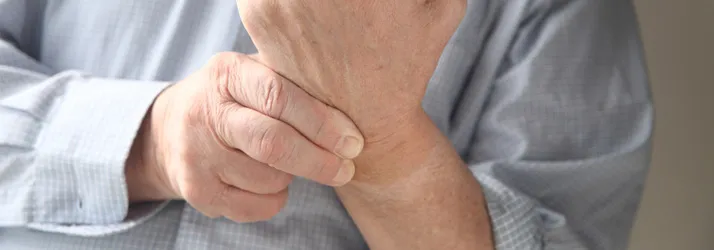
What is osteoarthritis in Vernon Hills IL? Osteoarthritis (OA) is a chronic, degenerative joint disease that occurs when the cartilage cushioning the ends of bones wears down over time. It is the most common form of arthritis, especially in weight-bearing joints like the knees, hips, and spine, but it can affect any joint in the body.
As cartilage deteriorates, bones may begin to rub against each other, causing:
- Pain
- Stiffness
- Swelling
- Reduced range of motion
OA results from a combination of factors, including aging, joint overuse, genetics, and previous injuries.
What Do Patients Experience?
Symptoms of OA vary depending on the stage of the disease. The Kellgren-Lawrence (KL) Grading Scale is commonly used to classify OA from Stage 0 (normal) to Stage 4 (severe) based on X-ray findings and symptom severity.
Stage 0 – Normal
- X-ray: No signs of OA
- Symptoms: None
- Management: No treatment needed, but healthy lifestyle choices are encouraged.
Stage 1 – Doubtful OA
- X-ray: Possible minor bone spurs; no joint space narrowing
- Symptoms: Minimal or none; occasional stiffness or soreness with activity
- Management: Lifestyle modifications like weight management and light exercise
Stage 2 – Mild OA
- X-ray: Noticeable bone spurs, possible joint space narrowing
- Symptoms: Joint stiffness after inactivity, mild pain with activity, occasional swelling
Treatment:
- Physical Therapy: To improve joint mechanics and address muscle imbalances
- Chiropractic care: Gentle mobilization and supportive therapies
- Supplements, anti-inflammatory meds, and joint protection strategies
Stage 3 – Moderate OA
- X-ray: Clear joint space narrowing, more prominent spurs, cartilage damage
- Symptoms: Frequent pain during daily activities, swelling, decreased flexibility
Treatment:
- Physical Therapy: Strengthening, stretching, and movement retraining
- Chiropractic care: Manual therapy, posture correction, and soft tissue work
- Bracing, joint injections, and lifestyle adaptations
Stage 4 – Severe OA (Bone-on-Bone)
- X-ray: Severe cartilage loss, large spurs, “bone-on-bone” contact
- Symptoms: Intense pain, joint deformity, major loss of mobility and function
Treatment:
- Conservative care may offer relief, but joint replacement surgery is often considered
- Post-surgical rehabilitation is critical for recovery
- Physical Therapy and Chiropractic may support adjacent joints and overall mobility
The "bone-on-bone" condition is exclusive to Stage 4 OA and is not present in earlier stages.
Diagnosis of Osteoarthritis in Vernon Hills IL
OA is diagnosed through a combination of:
- Patient history and symptom review
- Physical examination, checking for:
- Joint tenderness
- Swelling
- Limited motion
- Crepitus (grating sounds)
Imaging studies:
- X-rays to assess bone spurs and joint space narrowing
- MRI to evaluate cartilage and soft tissues in more detail
Treatment Options for OA
Treatment depends on the stage of OA and individual needs. Goals include reducing pain, improving function, and delaying joint deterioration.
Non-Surgical Treatments
- Medications: NSAIDs, corticosteroid injections, topical pain relievers
- Nutritional supplements: Glucosamine, chondroitin
- Bracing: For knee or wrist support
- Lifestyle: Weight loss, activity modification
Physical Therapy
- Strengthens supporting muscles
- Enhances flexibility and balance
- Restores proper joint alignment
- Uses modalities like ultrasound or electrical stimulation for pain relief
Chiropractic Care
- Improves biomechanics of the spine and affected joints
- Addresses compensatory patterns (e.g., hip or foot dysfunction due to knee OA)
- Offers soft tissue work, joint mobilization, and corrective exercises
Benefits of These Treatments
Conservative care offers natural and effective ways to manage OA across all stages:
- Delays or prevents surgery
- Reduces reliance on medications
- Improves joint mobility and function
- Decreases pain and inflammation
- Enhances overall quality of life
Most importantly, Physical Therapy and Chiropractic empower patients to actively participate in their care through movement education, joint support, and individualized treatment plans.

OFFICE HOURS
Monday
9:00am - 7:00pm
Tuesday
9:00am - 7:00pm
Wednesday
9:00am - 7:00pm
Thursday
9:00am - 7:00pm
Friday
9:00am - 5:00pm
Saturday
9:00am - 12:00pm

Integral Medical and Rehabilitation
3 West Hawthorn Parkway #280
Vernon Hills, IL 60061
(224) 424-3147