

Understanding Lymphedema: Types, Symptoms, Diagnosis, and Treatment Options in Vernon Hills IL
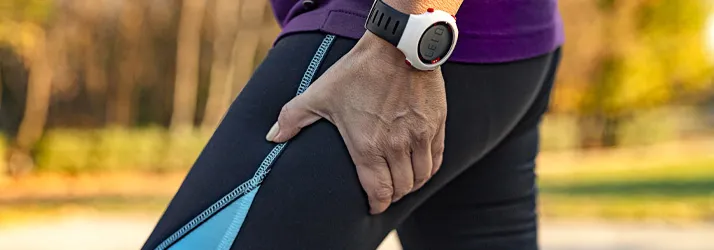
What is lymphedema in Vernon Hills IL? Lymphedema is a chronic condition marked by the accumulation of lymphatic fluid in body tissues, leading to persistent swelling—most commonly in the arms or legs. This occurs when the lymphatic system, which helps remove waste and fluid from tissues, becomes damaged or underdeveloped, impairing normal lymph flow.
Types of Lymphedema:
- Primary Lymphedema: Caused by congenital or genetic abnormalities in the lymphatic system. It may be present at birth or develop later in life (e.g., during puberty or pregnancy).
- Secondary Lymphedema: More common and caused by damage to the lymphatic system due to:
- Cancer treatments (e.g., lymph node removal, radiation)
- Trauma or injury
- Infections
- Surgery
What Do Patients Present With or Feel?
Common symptoms include:
- Swelling in one or more limbs (can start subtly and progress over time)
- Heaviness, tightness, or aching in the affected area
- Reduced flexibility or mobility in joints (e.g., wrist, ankle, fingers)
- Thickening or hardening of the skin (fibrosis)
- Recurring infections (e.g., cellulitis)
- Skin changes, such as dryness or wart-like growths
Symptoms often worsen without treatment, and early intervention is key to preventing complications.
How is Lymphedema Diagnosed in Vernon Hills IL?
Diagnosis typically involves:
- Medical history and physical examination
- Measurement of limb circumference
- Imaging tests, such as:
- Lymphoscintigraphy (tracks lymph fluid movement)
- MRI, CT, or ultrasound to identify blockages or damage
Evaluation of underlying risk factors, especially for secondary lymphedema (e.g., post-cancer treatment)
Early recognition and diagnosis can improve outcomes and reduce the risk of irreversible tissue damage.
What Forms of Treatment Are Used to Manage This Condition?
While there is no cure for lymphedema, it can be effectively managed with appropriate care.
Mainstay Treatment: Complete Decongestive Therapy (CDT)
CDT is considered the gold standard and includes:
- Manual Lymph Drainage (MLD) – gentle massage to stimulate lymph flow
- Compression Therapy – using multilayer bandaging or compression garments
- Therapeutic Exercise – to support fluid movement and limb function
- Skin Care – to prevent infections and maintain skin integrity
- Education and Self-Management – empowering patients to care for their condition daily
Additional Treatments:
- Medications for managing infections or inflammation
- Surgical options (e.g., lymphatic bypass, liposuction) in severe or unresponsive cases
Role of Physical Therapy in Managing Lymphedema
Specialized physical therapists, often certified in lymphedema management (CLT), play a vital role in both the treatment and long-term control of the condition.
Physical therapy includes:
- Performing manual lymph drainage
- Teaching therapeutic exercises to stimulate lymph flow
- Applying or recommending custom-fitted compression garments
- Educating on self-drainage techniques, skin hygiene, and activity modifications
- Promoting functional mobility, strength, and endurance
- Providing guidance on preventing complications and flare-ups
What Are the Benefits of These Treatments?
With proper care, lymphedema patients may experience:
- Reduced swelling and limb size
- Improved comfort and mobility
- Lower risk of infections like cellulitis
- Better skin health and tissue quality
- Greater independence in daily activities
- Improved confidence and emotional well-being
Consistent management helps slow disease progression and enhance long-term quality of life. Physical therapy not only provides immediate symptom relief but also equips patients with tools for lifelong control and self-care.
Key Takeaway
Lymphedema is a manageable, though lifelong, condition. Early diagnosis, proper therapy, and patient education are essential in reducing symptoms, preventing complications, and maintaining an active, healthy lifestyle.

OFFICE HOURS
Monday
9:00am - 7:00pm
Tuesday
9:00am - 7:00pm
Wednesday
9:00am - 7:00pm
Thursday
9:00am - 7:00pm
Friday
9:00am - 5:00pm
Saturday
9:00am - 12:00pm

Integral Medical and Rehabilitation
3 West Hawthorn Parkway #280
Vernon Hills, IL 60061
(224) 424-3147