

Understanding Knee Pain: Causes, Conditions, and Comprehensive Treatment in Vernon Hills IL
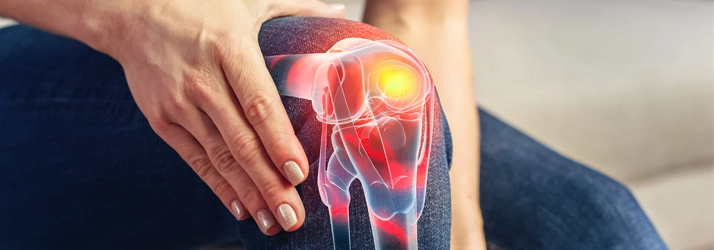
What is knee pain in Vernon Hills IL? Knee pain is a common musculoskeletal complaint that can affect people of all ages—from athletes to older adults. It may result from injury, overuse, age-related degeneration, or biomechanical dysfunction. As a complex joint, the knee contains bones, cartilage, ligaments, tendons, and bursae (fluid-filled sacs). Disruption in any of these structures can cause discomfort, swelling, stiffness, or instability.
Knee pain can range from a minor annoyance to severe pain that interferes with walking, standing, or even sleeping.
What Are the Different Types of Knee Conditions?
There are many causes of knee pain, including:
- Osteoarthritis – Age-related cartilage wear causes stiffness, inflammation, and pain.
- Patellofemoral Pain Syndrome (“Runner’s Knee”) – Pain around or behind the kneecap due to poor tracking or overuse.
- Meniscus Tear – Cartilage damage often from twisting or squatting motions.
- Ligament Injuries (e.g., ACL, MCL tears) – Often from sports-related trauma or sudden directional changes.
- Tendinitis – Inflammation of tendons, such as patellar tendinitis ("jumper's knee").
- Bursitis – Inflammation of the bursae due to repetitive movement or pressure.
- IT Band Syndrome – Friction of the iliotibial band against the knee, often seen in runners.
What Symptoms Do Patients Experience?
Symptoms vary based on the underlying condition, but may include:
- Pain during activity or rest
- Swelling or warmth around the joint
- Stiffness or limited range of motion
- Clicking, popping, or locking sensation
- Instability or feeling of the knee "giving out"
- Weakness or trouble standing, squatting, or climbing stairs
Pain may be localized (e.g., under the kneecap or inside the joint) or diffuse, and may worsen during specific movements or prolonged inactivity.
How Is Knee Pain Diagnosed in Vernon Hills IL?
A thorough clinical evaluation is key to identifying the source of pain:
- Medical history: Includes onset, nature of symptoms, and activity level
- Physical exam: Assesses range of motion, strength, stability, and alignment
- Orthopedic tests: Used to identify ligament tears, meniscus damage, or patellar tracking problems
- Imaging:
- X-rays: Evaluate bone structure and joint space
- MRI: Assesses soft tissue (cartilage, ligaments, meniscus)
- Ultrasound: Evaluates tendons or bursae
- Injections: Diagnostic or therapeutic to isolate pain source
What Treatments Are Used to Manage Knee Pain?
Physical Therapy (PT)
A cornerstone of conservative care, physical therapy helps by:
- Improving joint mobility and flexibility
- Strengthening surrounding muscles (especially quads, hamstrings, hips)
- Correcting gait and movement patterns
- Reducing inflammation and preventing recurrence
PT Techniques may include:
- Therapeutic exercises
- Manual therapy and joint mobilization
- Electrical stimulation, ultrasound, and cold therapy
- Proprioceptive training for joint stability (especially post-injury)
Examples:
- Patellofemoral Syndrome → Patellar alignment and tracking exercises
- ACL rehab → Balance, strength, and agility drills
- Osteoarthritis → Low-impact strengthening, flexibility, and endurance building
Chiropractic Care
Chiropractic care is especially useful when knee pain is related to:
- Pelvic or spinal misalignment
- Leg-length discrepancies
- Poor biomechanics or posture
Treatment may include:
- Gentle joint adjustments
- Myofascial release and soft tissue mobilization
- Corrective exercises to realign and reduce joint stress
- Gait analysis and postural training
Chiropractic can be a helpful adjunct to physical therapy, especially in complex or recurring cases.
Other Treatments
When appropriate, additional treatment may include:
- Anti-inflammatory medications (NSAIDs)
- Bracing or taping to offload stress and support stability
- Corticosteroid injections to reduce pain/inflammation in specific cases
- Surgical intervention, such as:
- Arthroscopy (for meniscus or cartilage repair)
- Ligament reconstruction (e.g., ACL surgery)
- Total knee replacement (for severe arthritis)
What Are the Benefits of These Treatments?
Conservative care like physical therapy and chiropractic offers:
- Non-invasive, drug-free management
- Improved mobility, function, and strength
- Reduced pain and swelling
- Enhanced joint stability and injury prevention
- Patient empowerment through education and self-management
- May delay or prevent surgery
Conclusion
Knee pain is a multifactorial issue that can stem from acute injuries, overuse, aging, or misalignment. Early diagnosis and a personalized treatment plan—especially through physical therapy and chiropractic care—are key to effective recovery.
With the right approach, most individuals can expect:
- Lasting pain relief
- Improved function and mobility
- Safe return to daily activities and exercise

OFFICE HOURS
Monday
9:00am - 7:00pm
Tuesday
9:00am - 7:00pm
Wednesday
9:00am - 7:00pm
Thursday
9:00am - 7:00pm
Friday
9:00am - 5:00pm
Saturday
9:00am - 12:00pm

Integral Medical and Rehabilitation
3 West Hawthorn Parkway #280
Vernon Hills, IL 60061
(224) 424-3147