

Understanding Adult and Juvenile Scoliosis: Types, Symptoms, Diagnosis, and Treatment Options in Vernon Hills IL
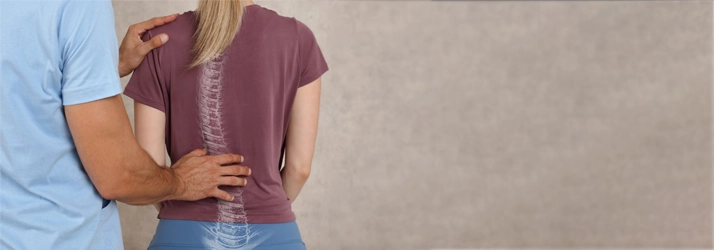
What is scoliosis in Vernon Hills IL? Scoliosis is a condition where the spine curves sideways in an abnormal “S” or “C” shape when viewed from behind. It can affect individuals of any age but is most commonly identified during childhood or adolescence (juvenile or adolescent scoliosis) or later in life due to age-related degeneration (adult scoliosis).
- In children and adolescents, scoliosis is often idiopathic, meaning the cause is unknown.
- In adults, scoliosis may be a continuation of adolescent scoliosis or may arise from degenerative changes in the spine.
Studies estimate adult scoliosis affects 12–20% of the population, and up to 68% of people over age 60.
Types of Scoliosis
- Idiopathic Scoliosis: Most common; occurs in adolescents without a known cause.
- Juvenile Scoliosis: Diagnosed between ages 4 and 10; often asymptomatic early on but can progress with growth.
- Congenital Scoliosis: Caused by vertebral malformations present at birth.
- Neuromuscular Scoliosis: Occurs with conditions like cerebral palsy or muscular dystrophy due to poor muscle control.
- Degenerative (De Novo) Scoliosis: Develops in adulthood from age-related degeneration of discs and joints.
What Do Patients Present With?
Children and Adolescents
- Often no pain early on
- Visible spinal curvature
- Uneven shoulders or hips
- Asymmetrical waist
- Poor posture
- In severe cases, reduced lung function or back pain
Adults
- Chronic low back pain
- Muscle fatigue or imbalance
- Stiffness and limited mobility
- Nerve compression (numbness, tingling, or weakness in the legs)
- Functional impairments with standing or walking
Clinicians assess curve direction and severity using imaging and clinical evaluation (e.g., dextro-scoliosis = curve to the right; levo-scoliosis = curve to the left).
scoliosis Diagnosis in Vernon Hills IL
Diagnosis typically involves:
- Physical exam (Adam’s Forward Bend Test)
- X-rays to measure the spinal curve (Cobb angle)
- MRI or CT if neurological symptoms are present
- Periodic imaging to monitor curve progression
Treatment Options
Treatment depends on:
- Age
- Severity of the curve
- Symptoms
- Risk of progression
Conservative Treatments
Physical Therapy (PT)
- Core strengthening
- Postural training
- Flexibility and stability work
- Schroth Method – a scoliosis-specific exercise program to improve posture and reduce curve progression
- Encourages brace compliance in youth
- Improves functional ability and reduces pain in adults
Chiropractic Care (especially for adults)
- Spinal mobilization and adjustments
- Postural correction strategies
- Myofascial release and stretching
- Helps relieve pain and improve function (though it does not correct the curve)
Bracing
- Used in adolescents with moderate curves (20–40°) to prevent progression
- Most effective when worn consistently during periods of growth
Surgery
Recommended for:
- Severe curves (typically > 45–50°)
- Progressive or painful curves
- Neurological symptoms from spinal cord or nerve compression
Surgical options include:
- Spinal fusion
- Decompression
- Instrumentation for curve correction and spinal stabilization
Benefits of Conservative Treatments
- Reduces pain and stiffness
- Improves spinal alignment and posture
- Enhances respiratory function (in severe curves)
- Maintains mobility and independence
- Promotes long-term spinal health
- Delays or avoids surgery in many cases
- Improves outcomes when used pre- and post-operatively
In Summary
Scoliosis—whether juvenile, adolescent, or adult—is a manageable spinal condition. Early detection, accurate diagnosis, and a tailored treatment plan are key to preventing curve progression and improving function.
Physical therapy and chiropractic care play central roles in managing scoliosis non-surgically, improving quality of life, reducing symptoms, and promoting long-term musculoskeletal health.

OFFICE HOURS
Monday
9:00am - 7:00pm
Tuesday
9:00am - 7:00pm
Wednesday
9:00am - 7:00pm
Thursday
9:00am - 7:00pm
Friday
9:00am - 5:00pm
Saturday
9:00am - 12:00pm

Integral Medical and Rehabilitation
3 West Hawthorn Parkway #280
Vernon Hills, IL 60061
(224) 424-3147