

Understanding Meniscus Tears: Causes, Symptoms, Diagnosis, and Treatment in Vernon Hills IL
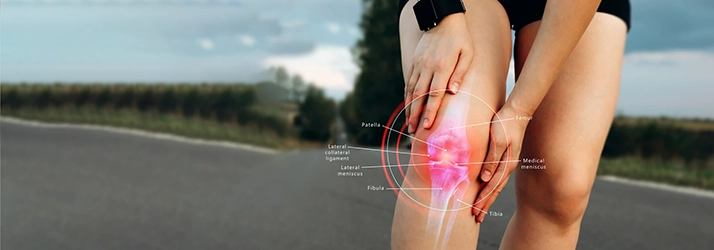
What is a meniscus tear in Vernon Hills IL? A meniscus tear is a common injury to the knee involving damage to the cartilage that cushions and stabilizes the joint. Each knee has two C-shaped menisci—medial and lateral—situated between the femur (thigh bone) and tibia (shin bone). These structures serve as shock absorbers and help distribute body weight evenly during walking, running, and squatting.
Tears can occur suddenly from twisting motions, often during sports or physical activity, or develop gradually over time due to age-related degeneration, especially in adults over 40.
Types of Meniscus Tears
Meniscus tears are classified based on location, severity, and tear pattern:
- Radial tears – Vertical tears across the meniscus, often caused by trauma
- Horizontal tears – Splits between layers of cartilage
- Bucket-handle tears – A piece of cartilage becomes displaced, often leading to joint locking
- Complex tears – A combination of tear types, typically in degenerative cases
- Degenerative tears – Common in older adults, often with no clear injury
What Symptoms Do Patients Experience?
Common signs and symptoms of a meniscus tear include:
- Knee pain that worsens with movement or squatting
- Swelling and stiffness, typically within 24–48 hours after injury
- A popping sound or sensation at the time of injury
- A feeling of the knee catching, locking, or “giving way”
- Difficulty fully bending or straightening the knee
In more severe tears, the knee may physically lock due to displaced cartilage interfering with movement.
How Is a Meniscus Tear Diagnosed in Vernon Hills IL?
Diagnosis begins with a clinical evaluation, including:
- History of injury and symptom progression
- Physical examination, such as the McMurray test, which checks for clicking or pain during knee movement
- MRI imaging, which provides detailed images of soft tissues to confirm the tear’s presence, type, and severity
What Are the Treatment Options?
Treatment is determined by the tear’s severity, location, and the patient’s age, activity level, and overall joint health.
Conservative (Non-Surgical) Treatment
- RICE (Rest, Ice, Compression, Elevation)
- NSAIDs to reduce pain and inflammation
- Physical therapy to restore strength, flexibility, and joint stability
- Chiropractic care to address compensatory movement issues in the hips, pelvis, and spine caused by altered gait or posture
Physical Therapy Focus
Targeted exercises, manual therapy, and modalities like ultrasound or electrical stimulation are used to reduce pain, enhance healing, and improve function.
Chiropractic Focus
Chiropractors help support recovery by improving joint alignment, relieving muscle tension, and correcting postural imbalances—though they do not treat the cartilage directly.
Surgical Options
If symptoms persist or the tear causes joint locking or instability, surgical procedures may be necessary:
- Meniscus repair – Suturing the torn cartilage
- Partial meniscectomy – Removing the damaged portion of the meniscus
Rehabilitation post-surgery is essential and involves a structured physical therapy program to regain full mobility and strength.
What Are the Benefits of These Treatments?
When appropriately managed, meniscus tear treatments can:
- Reduce pain and swelling
- Restore joint function and range of motion
- Prevent further injury or degeneration
- Improve strength, stability, and mobility
- Delay or avoid surgery in many cases
A comprehensive rehab approach, combining physical therapy and supportive care like chiropractic, helps patients return to daily activities and sports more confidently—often with improved movement patterns and reduced injury risk.

OFFICE HOURS
Monday
9:00am - 7:00pm
Tuesday
9:00am - 7:00pm
Wednesday
9:00am - 7:00pm
Thursday
9:00am - 7:00pm
Friday
9:00am - 5:00pm
Saturday
9:00am - 12:00pm

Integral Medical and Rehabilitation
3 West Hawthorn Parkway #280
Vernon Hills, IL 60061
(224) 424-3147